NRIs buying property in Bangalore can do almost all of it from abroad. Non Resident Indians and OCI cardholders can buy flats, villas, villaments and residential plots without any permission from the Reserve Bank of India. The money must move through Indian banking channels in rupees, the buyer deducts 1% TDS on a home worth ₹50 lakh or more, and a family member can sign the registration for you under a power of attorney. The rest is paperwork, and keeping it is what lets you take the money back out later.
A large share of Bengaluru's new launch buyers are not in Bengaluru. They are in Dubai, the Bay Area, London and Singapore, buying a home to return to, for parents, or as an investment in the city they know best. Here is what the rules say, and how buying from a different time zone works in practice.
What NRIs can and cannot buy in Bangalore
NRIs and Overseas Citizens of India can buy residential and commercial property in India without any permission from the RBI. That covers apartments, villas, villaments and residential plots, and there is no limit on how many.
The exception is agricultural land, plantation property and farmhouses, which NRIs and OCIs cannot buy without specific approval. Every project on our desk, including the plotted developments near Devanahalli, is residential, so this rarely comes up. It is still worth confirming the land use on the RERA filing before you pay. Our guide shows how to check any project on the Karnataka RERA portal from abroad.
How the money has to move
Payments must go through normal banking channels, in rupees:
- An inward remittance from your bank abroad, or
- Your NRE, NRO or FCNR(B) account in India.
You cannot pay in foreign currency, in cash or by traveller's cheque. Keep every remittance advice and bank statement: they are what let you take the money back out later.
Home loans for NRIs
Most Indian banks and housing finance companies lend to NRIs for property in India, up to 75% of the property value on a home above ₹75 lakh (the RBI cap), with EMIs paid from your NRE or NRO account. Expect to show overseas income proof, your passport and visa or residence permit, and an overseas address. Loan approval is slower from abroad, so start it alongside your shortlist, not after you have chosen.
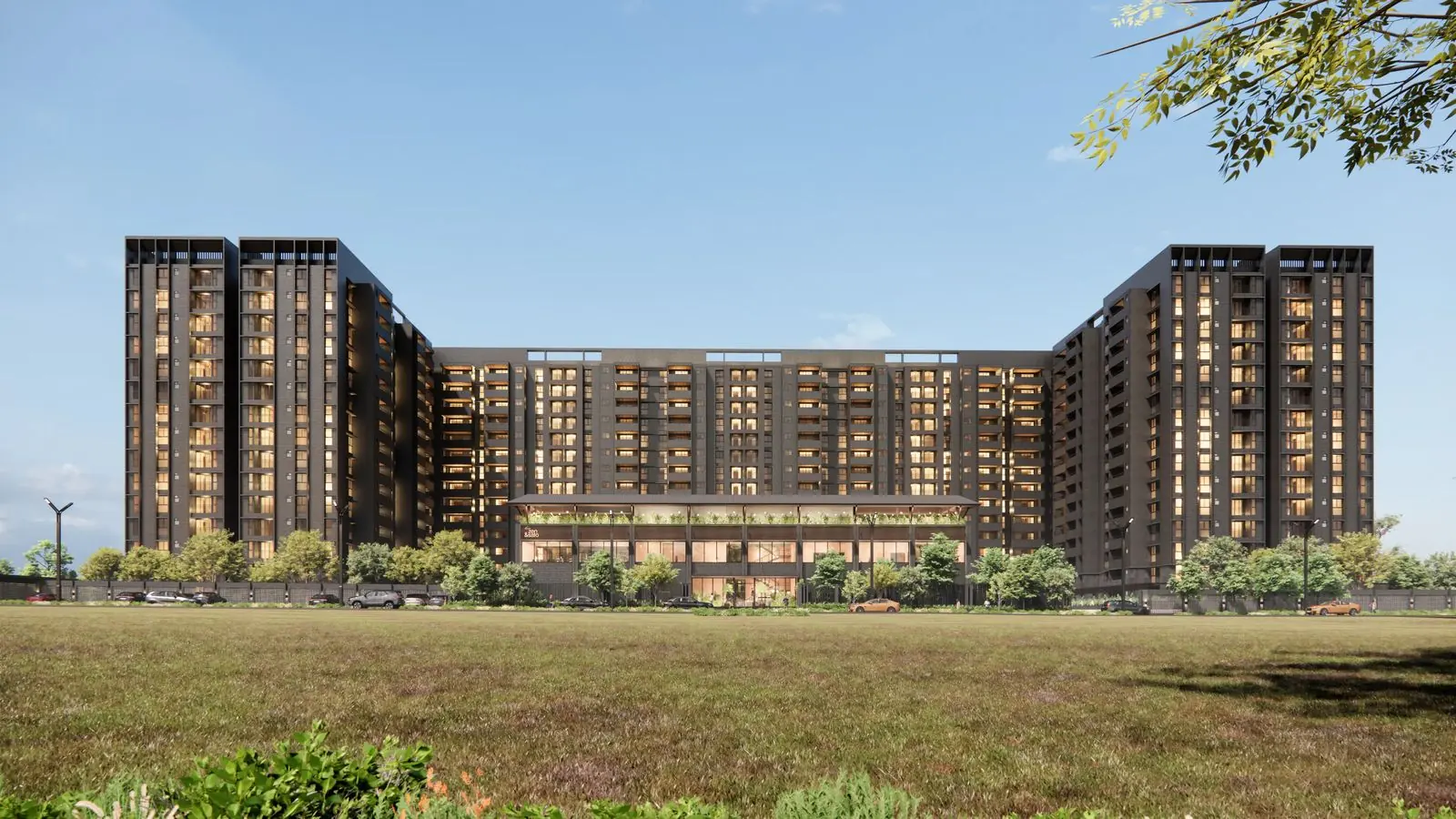
You do not have to fly in
| Step | How it works from abroad |
|---|---|
| Site visit | A live video walkthrough of the site, the sample flat and the approach road, in your time zone |
| Cost sheet and plans | Sent on WhatsApp or email for the exact unit |
| Booking | Booking amount by remittance or from your NRE or NRO account |
| Agreement and instalments | Paid from India accounts; 1% TDS deducted on each payment |
| Registration | Signed by a family member in India under a power of attorney |
The power of attorney is executed abroad, attested at the Indian embassy or consulate, and then stamped in Karnataka within the time allowed after it arrives. Ask the developer's legal team for their exact format before you draft one.
The 1% TDS on a new home
When you buy a property worth ₹50 lakh or more from a resident seller, which includes a developer, the buyer must deduct 1% TDS from each payment and deposit it with the tax department. This applies to NRI buyers too. You will need a PAN, which you also need for registration. The developer's customer team usually walks buyers through the form.
As a worked example, on a home costing ₹2.57 Cr in total, the TDS adds up to about ₹2.57 lakh across all the instalments. It is not an extra cost: you pay 99% to the developer and 1% to the tax department. Stamp duty and registration, about 6.6% in Karnataka, are extra; our guide to Karnataka stamp duty and registration works that out.
Taking the money back out
If you later sell, the sale proceeds can be sent back abroad up to the amount you originally paid through remittance or NRE or FCNR funds, for up to two residential properties. Gains and any NRO balance come under the separate annual limit for NRO repatriation. Paperwork from the day you bought is what makes this smooth, which is why it is worth keeping.
What to check before you remit a booking amount
- The project's RERA number, and that it is shown as registered, not applied for.
- That the land use is residential, not agricultural.
- Which account the money will come from, and whether it keeps the funds repatriable.
- Your PAN is active and linked, so TDS can be deposited in your name.
- The developer's power of attorney format, before you visit a consulate.
Which projects suit buyers abroad
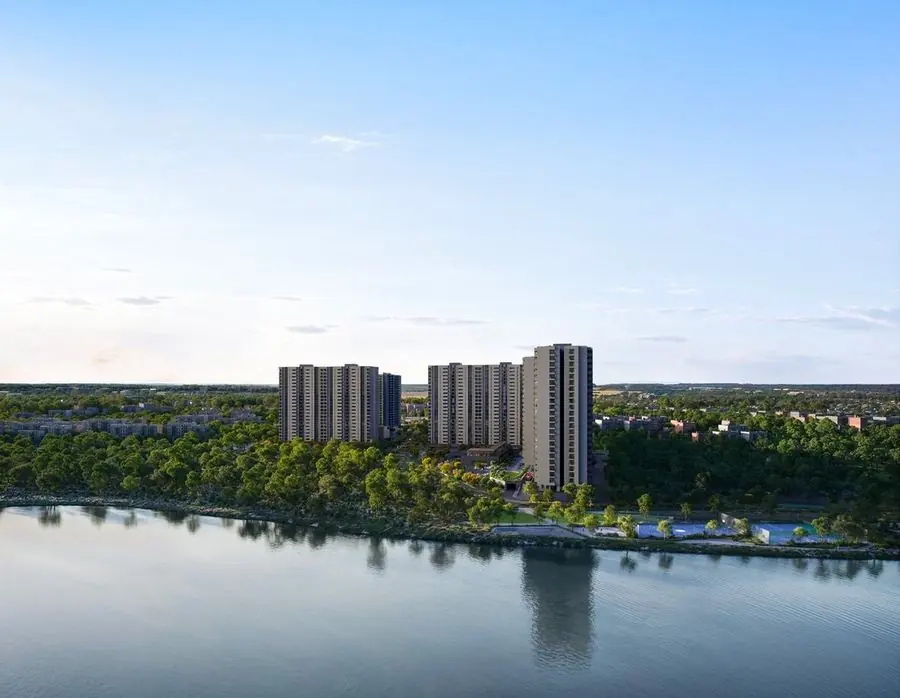
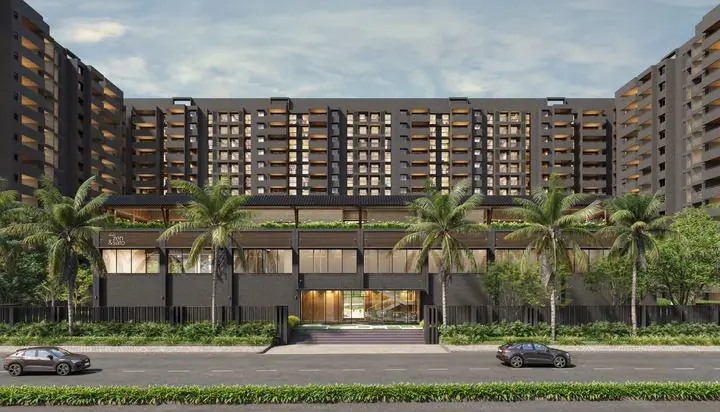
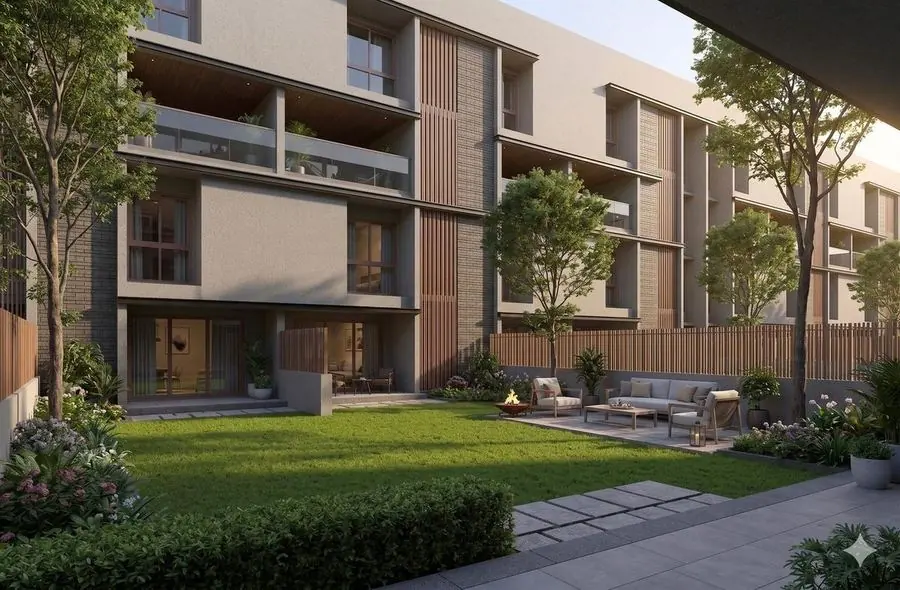
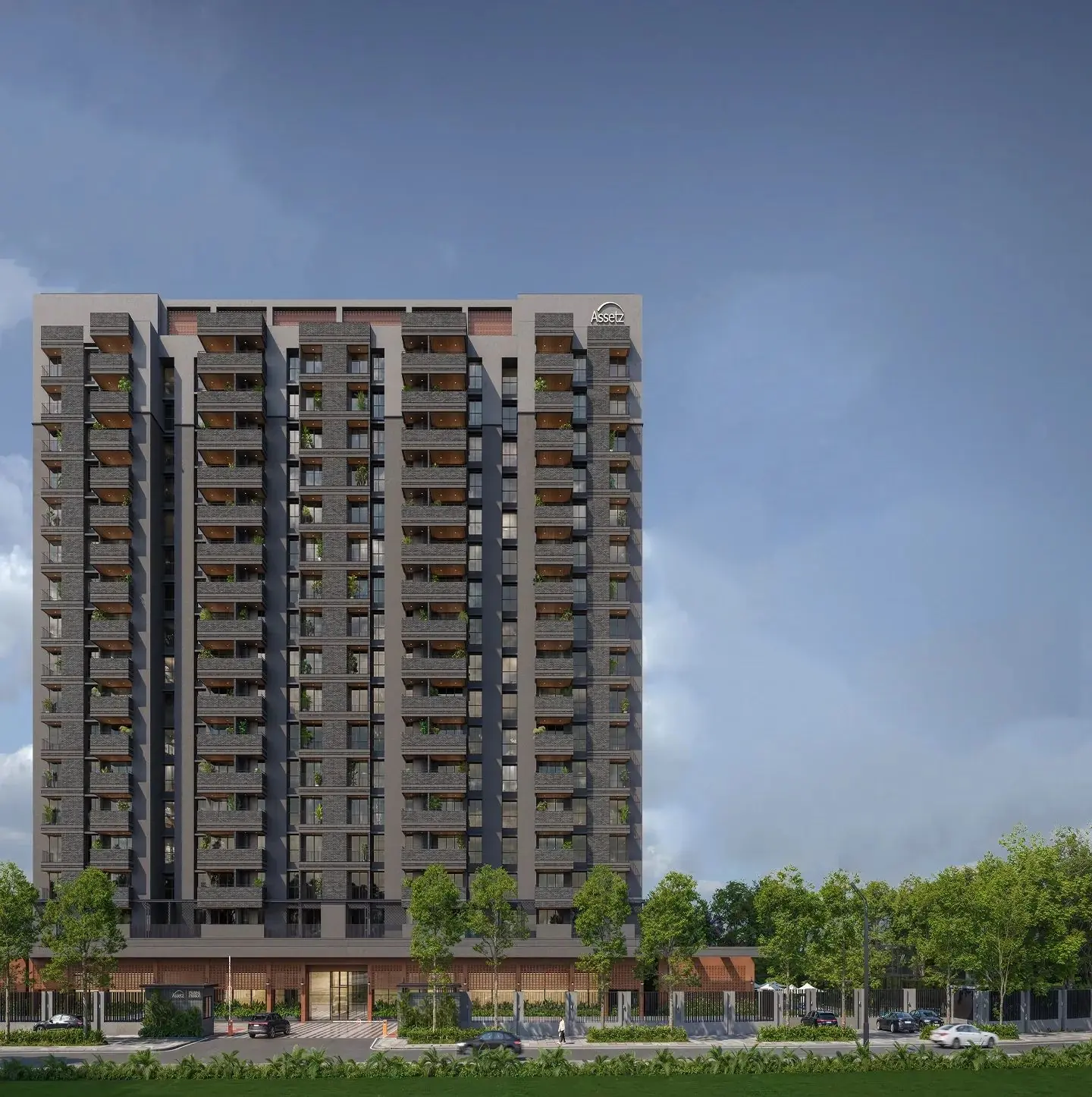
What NRI buyers most often ask us for is the same short list: a strong developer, a RERA registration they can verify from abroad, a location a family would actually live in, and a possession date that fits a return plan. On our desk, Assetz Mizumi Reserve at Kudlu (near the metro and the South-East tech corridor), Assetz Zen & Sato in Yelahanka (the airport side) and the Mizu & Ki villaments off Hennur Road come up most. All three are due for possession in 2030.
General information, not tax or legal advice. Rules change; confirm the current position with your bank and a chartered accountant before you remit.