An e khata is the electronic version of the khata, the property record that the Bruhat Bengaluru Mahanagara Palike (BBMP) keeps for properties within city limits. It links a property to its owner and to the property tax assessed on it. When a project says it has E Khata, it means the property is recorded in the BBMP's online system rather than only in paper registers. For a buyer, it is one of the first documents to ask about, and one of the least understood.
What a khata actually is
Khata means account. It is the property's account with the civic body: who owns it, where it is, how large it is, and the tax assessed on it. You need a khata in your name to pay property tax, and banks, future buyers and utility offices ask for it.
A khata is not a title deed. Ownership is proven by your registered sale deed. The khata is the city's record that follows from it. Both matter, and one does not replace the other.
In practice, three groups will ask to see it. Your bank, when you take a loan against the flat. A future buyer and their bank, when you sell. And the civic offices, when you move connections and tax into your name. A clean khata in your name keeps each of those simple.
What changed with e khata
The BBMP has moved khata records online, so they can be generated, checked and transferred through its website with the owner's identity documents linked to the record. The stated aim is to cut out forged and duplicate paper khatas. An e khata is also now expected when many properties within BBMP limits are registered for sale. For a buyer, the practical change is that a khata can be looked up and verified online, instead of being taken on trust from a photocopy.
The rules and the online process have changed more than once, so do not rely on any guide for the exact steps, including this one. Check the current process on the BBMP's official website, bbmp.gov.in, before you apply or buy.
A khata and B khata: the basic difference
| A khata | B khata | |
|---|---|---|
| What it records | A property built on approved land, following a sanctioned plan, with taxes paid | A property with deviations, such as an unapproved layout or a building that does not match its plan |
| Why it exists | The normal register of legal properties | A separate register so the city can collect tax from such properties |
| Home loans | Generally straightforward | Many banks hesitate or refuse |
| Resale | Normal | Buyers often discount the price or walk away |
Paying tax on a B khata does not make a property legal. A property can sometimes move from B to A once the problems are regularised, but that is neither quick nor certain. For a new flat from an established developer with approved plans, you should expect an A khata. Ask the developer to confirm it in writing.
What our projects list
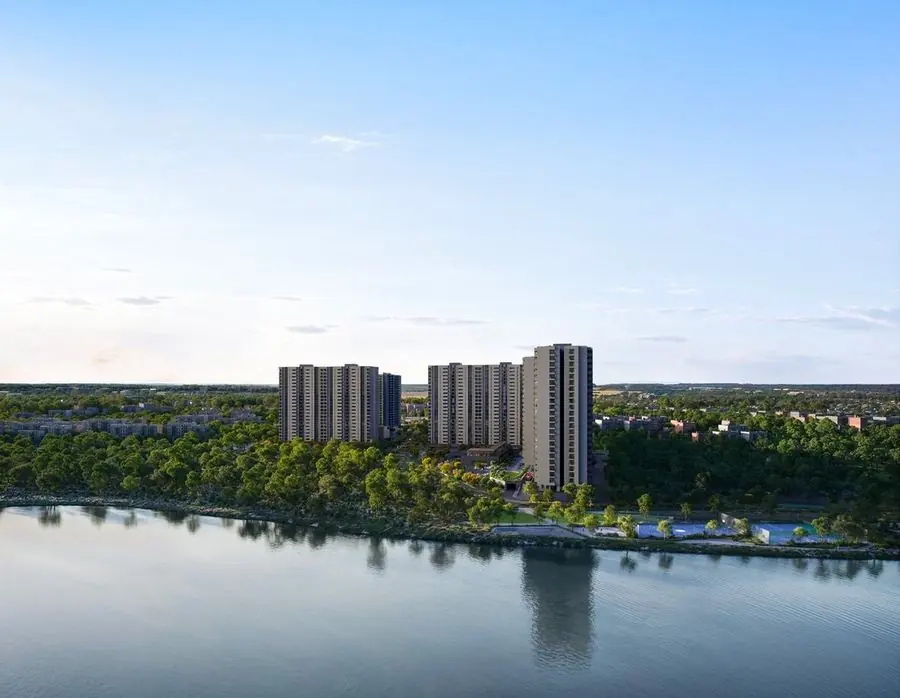
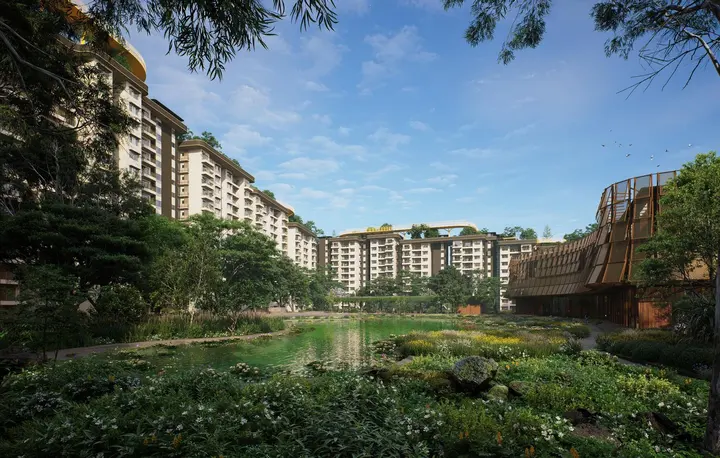
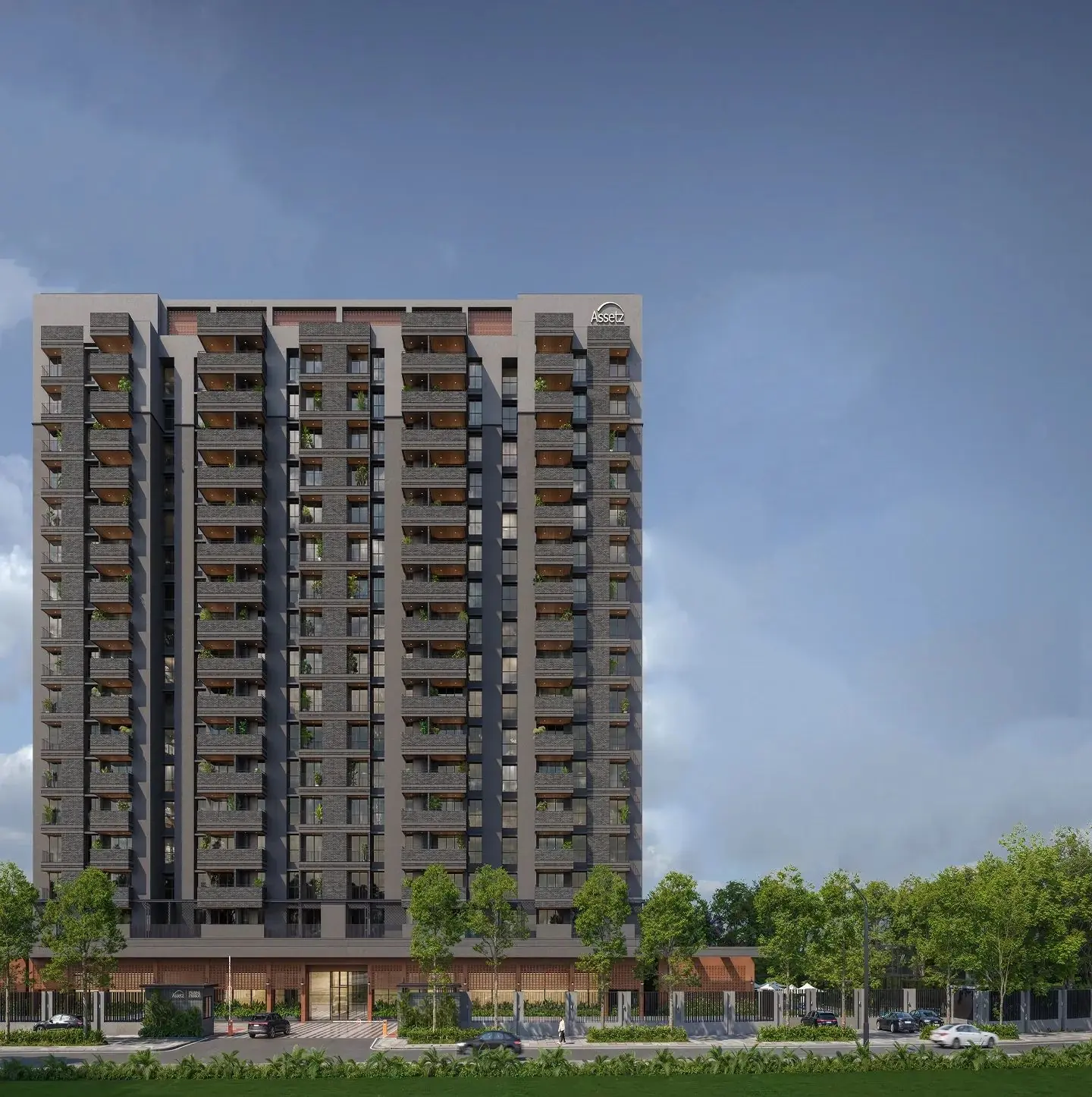
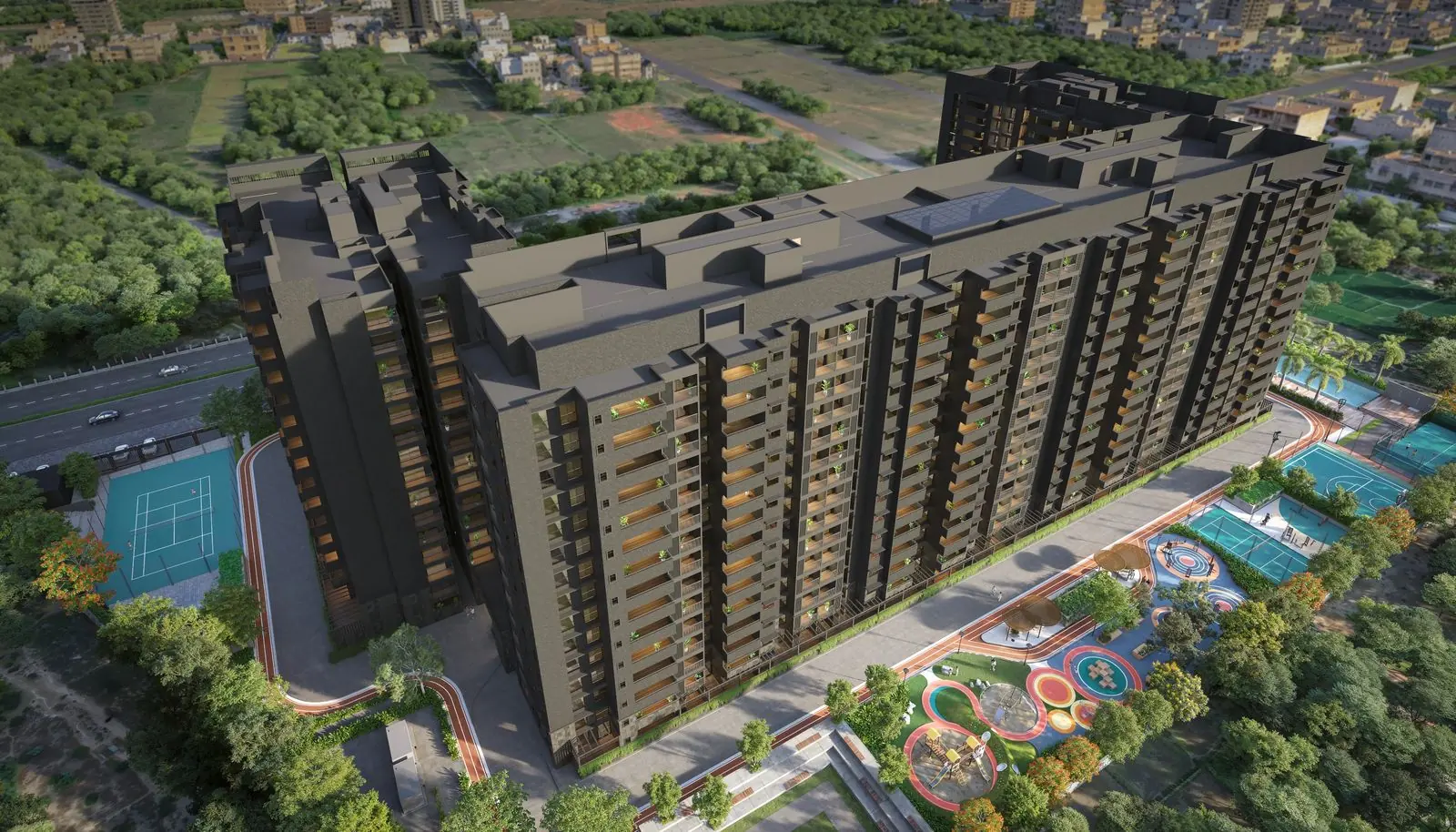
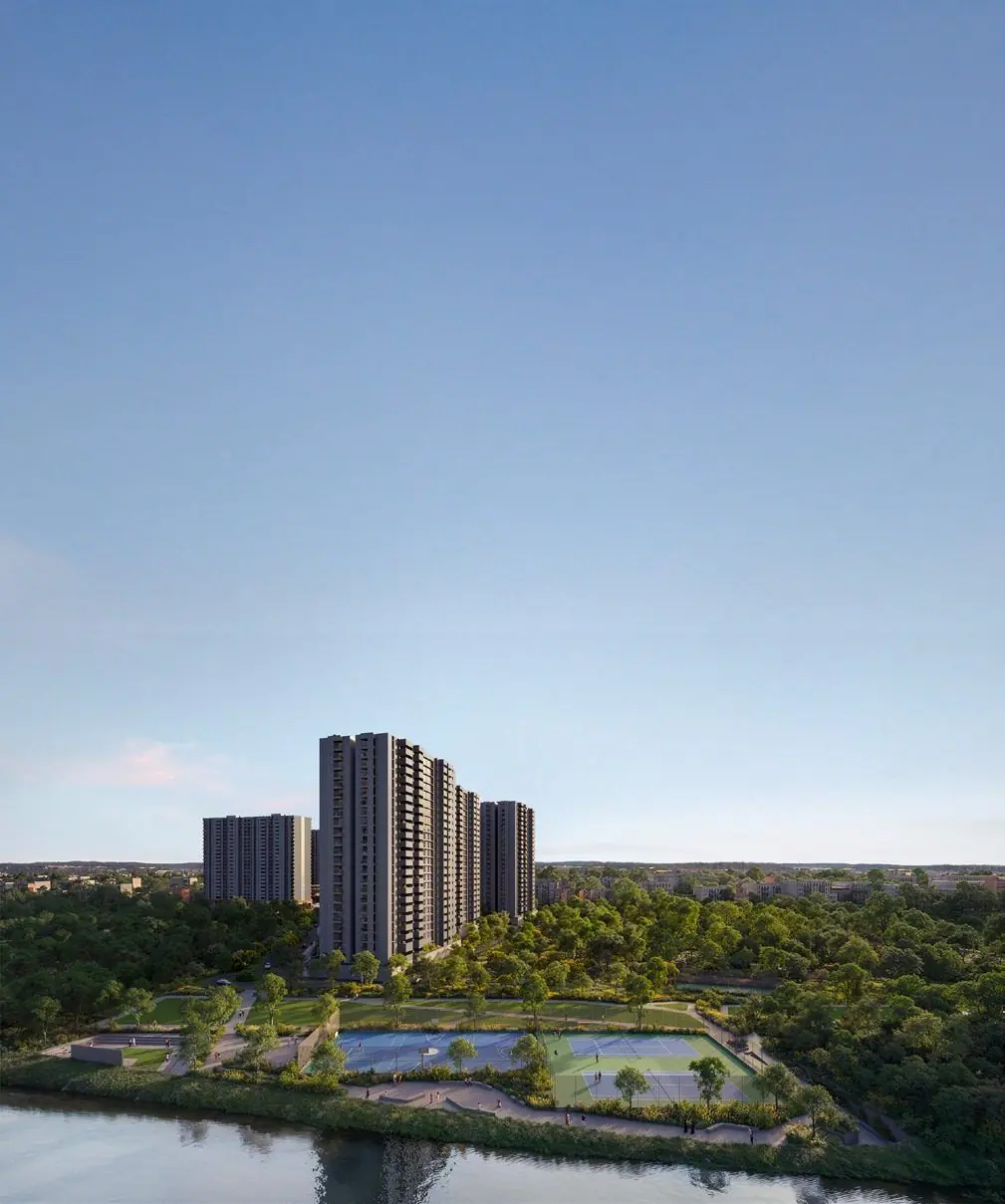
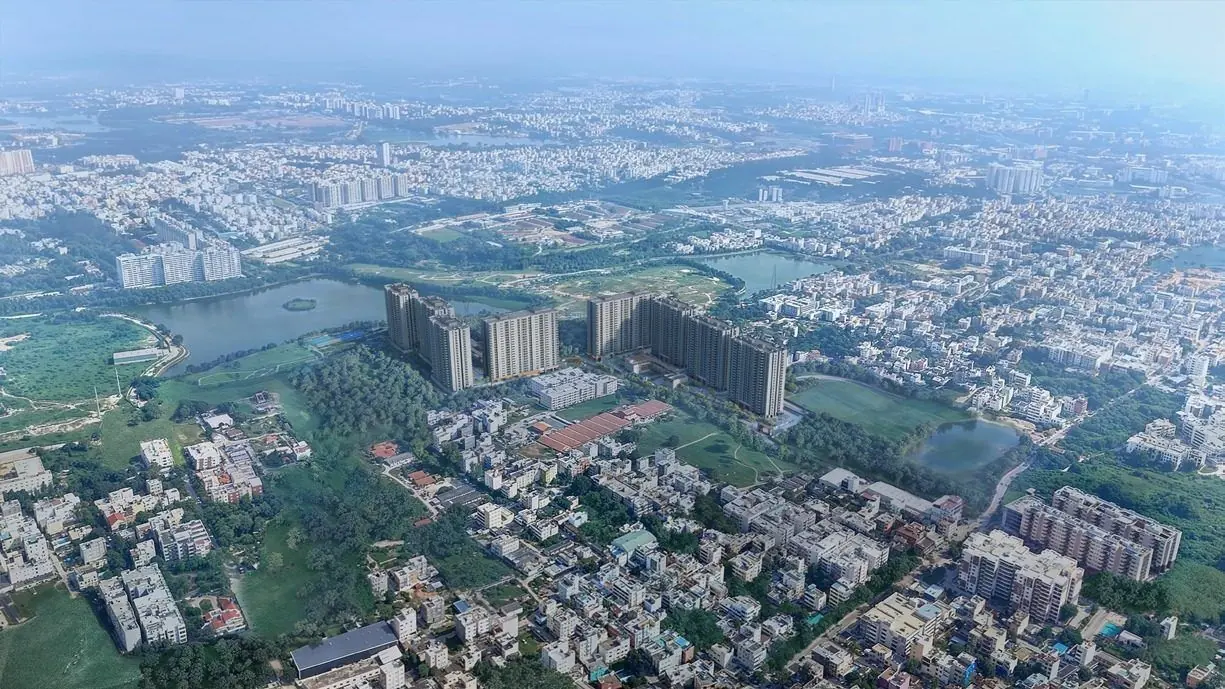
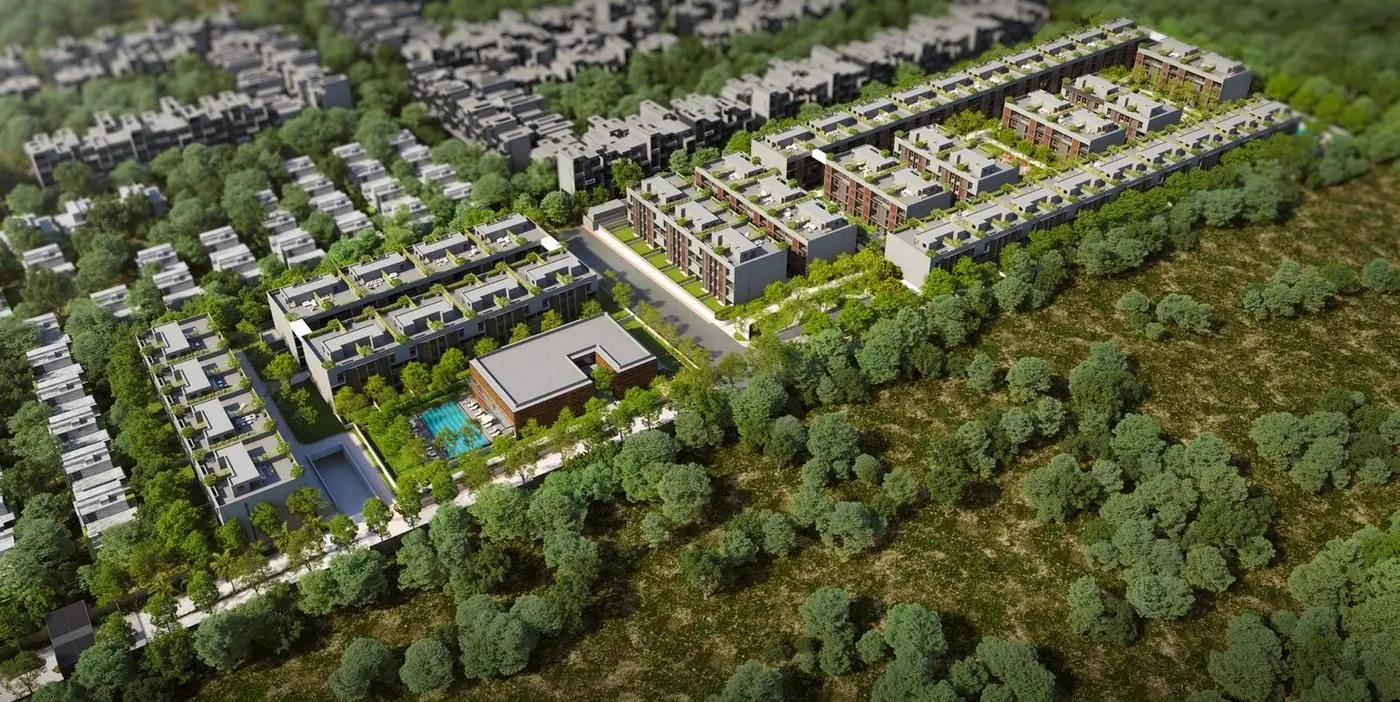
Two of the projects we sell list E Khata in their developer documents. Assetz Mizumi Reserve at Kudlu is approved by the BBMP with E Khata. Assetz Mizu & Ki off Hennur Road is approved by the BDA with E Khata. For our other projects, we have the approving authority on record but not the khata status, so we ask the developer when a buyer needs it. Which authority approved a project changes what the khata looks like, and we explain the six authorities in what BDA approved means.
E khata on a new flat: what to ask the developer
- Is there an E Khata for the project land today? Ask for a copy, and check that the owner's name matches the developer or the landowner in the agreement.
- Is it an A khata? Ask for this in writing.
- How will your own flat get its khata? The project's khata has to be divided into one record per flat after completion. Ask when that happens and who pays the fees. Khata transfer is normally the buyer's cost.
- Is the project inside BBMP limits? Outside them, for example around Devanahalli, Hoskote or Attibele, the record is kept by the local town council or panchayat under a different system. The questions are the same; only the office changes.
When the khata comes into your purchase
For a flat bought from a developer, the order usually runs like this: you register the sale deed at the sub registrar's office, then apply for the khata in your name, then pay property tax as the owner. The first step is covered in our guide to the property registration process in Karnataka. Keep the registered deed, the tax receipts and the khata together. They are the three documents a future buyer's bank will ask to see.